Padel for Tennis and Pickleball Players: What Actually Transfers (And What Doesn't)
Quick Answer: Tennis and pickleball players adapt to padel faster than complete beginners, but the enclosed glass walls, underhand serve, and doubles-only format mean specific skills need relearning — padel rewards strategic wall-use and patience more than the power-based groundstrokes tennis players often rely on.
Padel — the fast-growing racquet sport played in an enclosed court with glass walls — is easy to assume you already half-know if you play tennis or pickleball. The overlap is real, but so are the gaps.
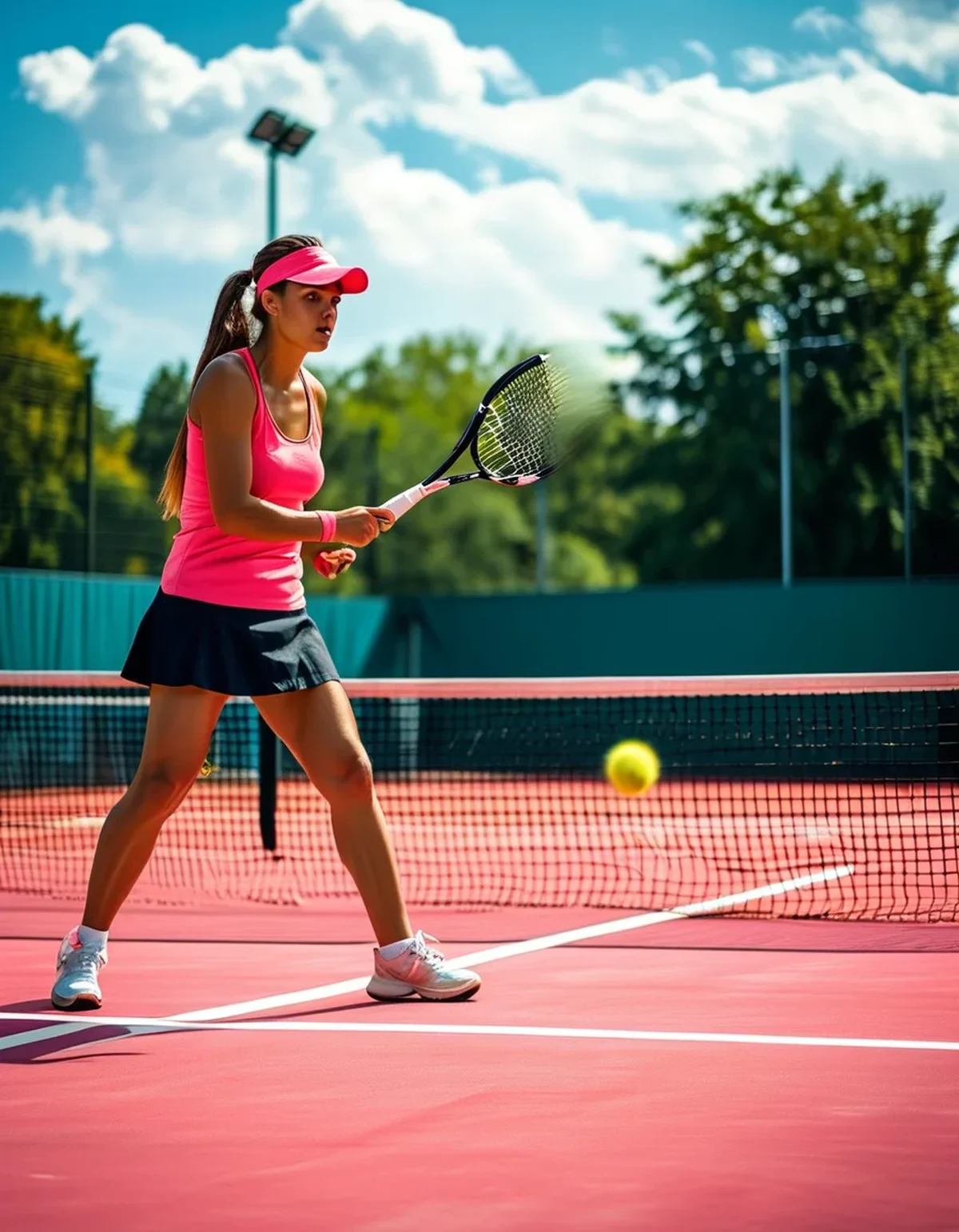
What skills transfer well from tennis to padel?
General hand-eye coordination, court awareness, and doubles positioning strategy transfer well from tennis, especially doubles tennis. Players with a tennis background often adapt faster to padel’s net-approach patterns and shot anticipation than complete racquet-sport beginners.
What skills transfer well from pickleball to padel?
The underhand serve, patience for longer rallies, and comfort with a smaller court transfer reasonably well from pickleball, since padel’s serve is also underhand (unlike tennis) and padel rallies often involve more patient, placement-based play than power-based tennis.
What’s genuinely new and different in padel, regardless of background?
Using the glass walls as part of active play is padel’s most unfamiliar element for both tennis and pickleball players. Balls that bounce off the back or side walls remain in play, which requires an entirely different sense of anticipation and positioning that neither tennis nor pickleball players have direct experience with.
Why do power-based tennis players sometimes struggle more than expected in padel?
Padel courts are enclosed and relatively small, meaning a hard, powerful tennis-style shot often rebounds off the back wall and comes right back into play rather than ending the point — this rewards more controlled, placement-focused shots over raw power, which can be a genuine adjustment for players used to tennis’s more power-rewarding format.
FAQ: Padel for Tennis and Pickleball Players Questions, Answered
Is padel always played in doubles, or can you play singles?
Padel is traditionally and almost exclusively played in doubles — the court and format are specifically designed around four players, unlike tennis and pickleball which both offer singles options.
Does a tennis or pickleball racquet work for padel, or is special equipment needed?
Padel requires its own solid, stringless paddle (different from both a tennis racquet and a pickleball paddle) and a padel-specific ball, which is similar to but not identical to a tennis ball.
How long does it typically take a tennis or pickleball player to feel comfortable in padel?
Many racquet-sport players report feeling reasonably comfortable within a handful of sessions, though truly using the walls strategically — rather than just tolerating unexpected wall bounces — tends to take longer, often several months of regular play.
TL;DR:
- Tennis doubles strategy and pickleball’s underhand serve both transfer well to padel
- The enclosed glass walls are padel’s biggest new element for players of both backgrounds
- Power-based tennis shots often backfire in padel’s smaller, enclosed court
- Padel is played almost exclusively in doubles, unlike tennis and pickleball
A racquet-sport background gives you a real head start in padel — just expect the glass walls and underhand serve to humble you a little at first.
See It in Motion
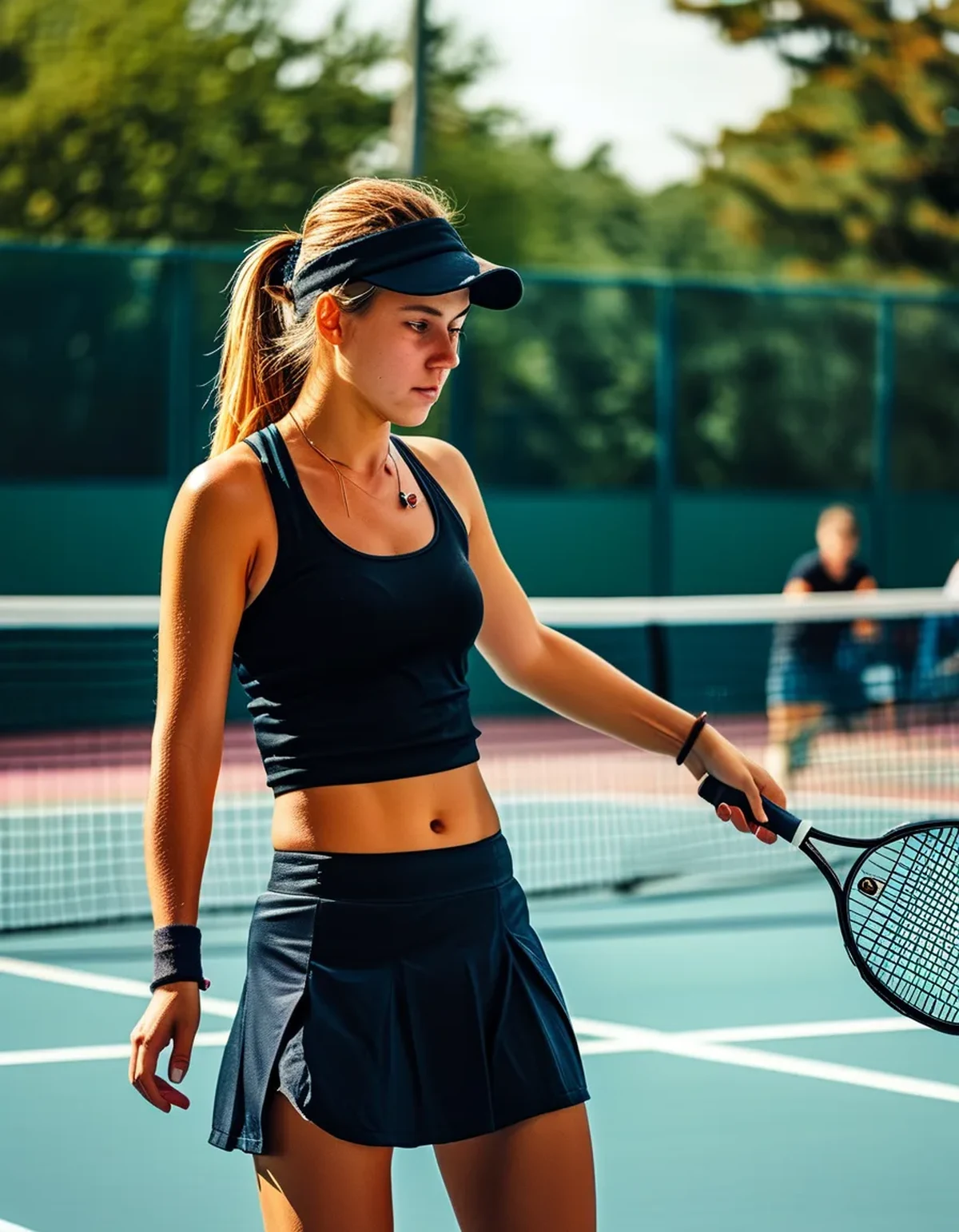
Seen here: UPF 50+ Pleated Running Skort with 26” Leggings & Pockets — shop similar styles on bubblelime.com
Keep Reading
This article is for general informational purposes only and is not medical advice. It is not a substitute for professional diagnosis or treatment. Always consult a qualified healthcare provider about your individual situation, especially before making significant changes to your diet or exercise routine.