5 Pickleball Court Etiquette Mistakes New Players Make Without Realizing It
Quick Answer: The most common new-player etiquette mistakes are hogging open-play courts too long, making line calls loudly and confidently when unsure, walking behind an active court during a point, and not rotating partners at drop-in open play — all fixable simply by knowing they matter before you’re the one doing them.
You’re new to pickleball and picking up the actual gameplay fine, but there’s a whole layer of social etiquette nobody explicitly explains until you accidentally break it. Here’s what experienced players wish beginners knew upfront.

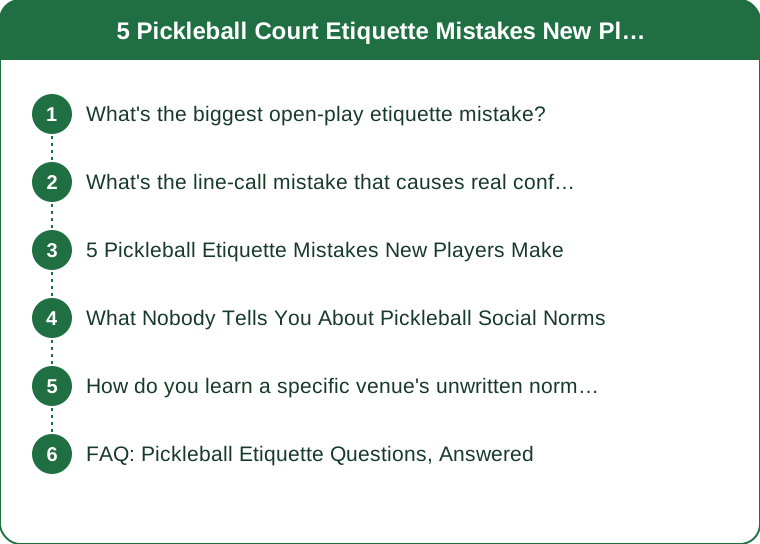
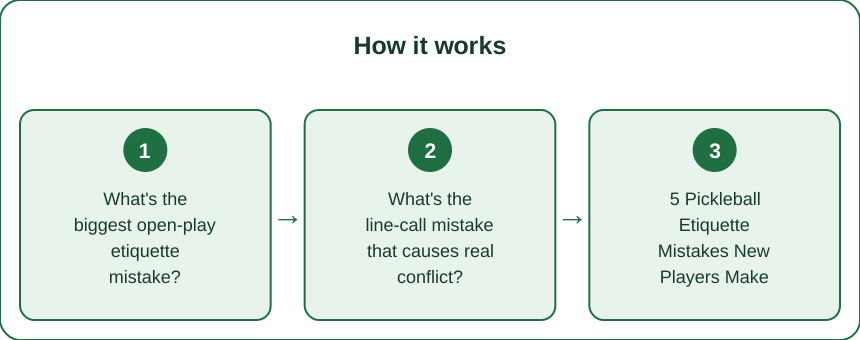
What’s the biggest open-play etiquette mistake?
Not respecting the ‘winners stay, everyone rotates’ norm at busy open-play sessions — hogging a court for many consecutive games when others are waiting is one of the fastest ways to get a reputation as inconsiderate at a public facility.
Most drop-in open play follows some form of rotation system (win-and-stay with new partners cycling in, or a paddle-stack queue) — learning your specific venue’s system before playing avoids this entirely.
What’s the line-call mistake that causes real conflict?
Confidently calling a ball ‘out’ when you genuinely weren’t sure — line calls are the responsibility of the team on the side closest to the line, and the etiquette norm is to give the benefit of the doubt to your opponent on close calls you can’t clearly see.
A good habit: if you didn’t clearly see it land out, call it in — this single norm prevents more pickleball court disputes than almost anything else.
5 Pickleball Etiquette Mistakes New Players Make
1. Walking behind an active court during a point — wait for a break in play before crossing, even if it seems like a shortcut.
2. Chasing a ball into a neighboring occupied court without calling out or apologizing.
3. Making close line calls in your own favor without genuine confidence in what you saw.
4. Not calling the score loudly before serving, which causes confusion for both teams.
5. Staying on a busy open-play court far longer than the norm without rotating out for waiting players.

What Nobody Tells You About Pickleball Social Norms
Paddle-stacking queue systems (leaning paddles against the fence in order to claim a spot in line) are common at busy public courts but aren’t universal or obvious to new players — ask a regular how the specific venue handles the waiting queue before assuming.
Also underrated: calling the score before every serve isn’t optional formality — it’s expected precisely because pickleball’s scoring system (which includes a server number) genuinely confuses people, including experienced players, if it isn’t stated aloud consistently.
How do you learn a specific venue’s unwritten norms quickly?
Watch one full rotation before joining if you’re new to a specific court or group — norms vary somewhat between casual public courts, club settings, and organized leagues, and 5 minutes of observation answers most etiquette questions faster than guessing.
When in doubt, just ask — most pickleball communities are notably welcoming to new players who show genuine interest in doing things correctly rather than assuming.
FAQ: Pickleball Etiquette Questions, Answered
How do I know when to give up a court at open play?
Most venues expect players to rotate out after a set number of games or a time limit, especially with people waiting — ask a regular what the local norm is if it isn’t posted.
What do I do if I’m not sure whether a ball was in or out?
Give the benefit of the doubt to your opponent — calling it in when uncertain is the accepted norm and avoids unnecessary conflict.
Is it rude to ask more experienced players for tips during open play?
Generally no — most pickleball communities are known for being welcoming, though it’s more considerate to ask between games rather than interrupting active play.
TL;DR:
- Rotate off busy open-play courts rather than hogging them for many consecutive games
- Give opponents the benefit of the doubt on close line calls you didn’t clearly see
- Wait for a break in play before crossing behind an active court
- Call the score aloud before every serve to avoid confusion
Most etiquette mistakes are just unwritten norms nobody explained yet — now they’re explained.
See It in Motion
Seen here: UPF 50+ Pleated Running Skort with 26” Leggings & Pockets — shop similar styles on bubblelime.com
Keep Reading
This article is for general informational purposes only and is not medical advice. It is not a substitute for professional diagnosis or treatment. Always consult a qualified healthcare provider about your individual situation, especially before making significant changes to your diet or exercise routine.