The Pickleball Noise Problem Nobody Warns New Players About
Quick Answer: Pickleball’s signature ‘pop’ sound is louder and more acoustically piercing than tennis specifically because of the hard paddle-on-plastic-ball contact, and that sharp, repetitive frequency travels further and is perceived as more irritating than a tennis ball’s duller thud — which is why noise complaints near pickleball courts have become common even at distances where tennis never generated similar pushback.
The sport’s fast growth means many courts were converted from existing tennis courts without accounting for how differently the sound profile would affect nearby homes.

Why does pickleball sound so much louder than tennis, even played at a similar volume?
The hard composite paddle striking a hard plastic ball creates a sharp, high-frequency ‘pop’ that’s acoustically different from tennis’s lower-pitched, more absorbed thud of a felt-covered ball on a strung racket — this frequency profile is specifically the kind that carries farther and registers as more irritating to the human ear at a distance.
Studies measuring pickleball court noise have found it can be perceived as disturbing at distances up to several hundred feet, considerably farther than a comparable tennis court, due to this specific sound signature.
Is there anything court design or paddle choice can do to reduce the noise?
Yes — quieter paddle models (using foam cores or different face materials) and noise-dampening barriers or landscaping around courts have both shown measurable reductions, and some manufacturers now market paddles specifically rated for reduced noise output as demand from noise-conscious communities has grown.
Court placement and orientation relative to nearby homes also make a meaningful difference, which is why many newer court developments now involve acoustic assessments before construction, something tennis courts historically didn’t require.
5 Mistakes Communities Make When Building or Converting Pickleball Courts
Mistake 1: Converting a tennis court to pickleball without any acoustic assessment, assuming similar noise levels.
Mistake 2: Scheduling early morning or late evening play in areas close to residential housing without considering quiet hours.
Mistake 3: Not offering quieter paddle options or noise-reduction guidelines to players at community courts.
Mistake 4: Underestimating how differently sound travels in open outdoor spaces compared to enclosed facilities.
Mistake 5: Not engaging nearby residents before court conversion, which has led to community disputes and, in some cases, court closures after the fact.
As a player, is there anything I can personally do if my local court is facing noise complaints?
Using a certified quieter paddle, avoiding early morning or late evening sessions near residential areas, and supporting community noise-mitigation efforts (like landscaping or sound barriers) are the main things an individual player can control, since the underlying acoustic issue isn’t something one player’s behavior alone can fully solve.
Some players have found that advocating for reasonable court hours and quieter equipment standards within their local pickleball community actually helps preserve court access long-term, compared to communities where noise complaints escalate to court closures.
FAQ: Pickleball Noise Questions, Answered
Are quieter paddles actually noticeably different, or is it mostly marketing?
Independent noise testing has shown measurable decibel reductions with certain quieter paddle designs, though the difference is more noticeable in aggregate across many players than for a single swing.
Have any courts actually been shut down specifically due to noise complaints?
Yes — several communities in the US have restricted hours or closed pickleball courts specifically in response to sustained noise complaints from nearby residents.
Does playing on a court further from homes eliminate the noise concern?
Distance helps significantly, but the specific frequency of pickleball noise means it can still be noticeable at distances that wouldn’t be an issue for other sports.
TL;DR:
- Pickleball’s paddle-on-ball pop is acoustically sharper and carries farther than tennis’s sound
- Quieter paddle designs and thoughtful court placement can meaningfully reduce nearby noise complaints
- Several communities have restricted hours or closed courts due to sustained noise disputes
- Individual players can help by choosing quieter equipment and respecting reasonable play hours
The sport’s popularity outpaced awareness of its noise profile — but solutions exist, and they’re becoming standard as more courts get built.
See It in Motion
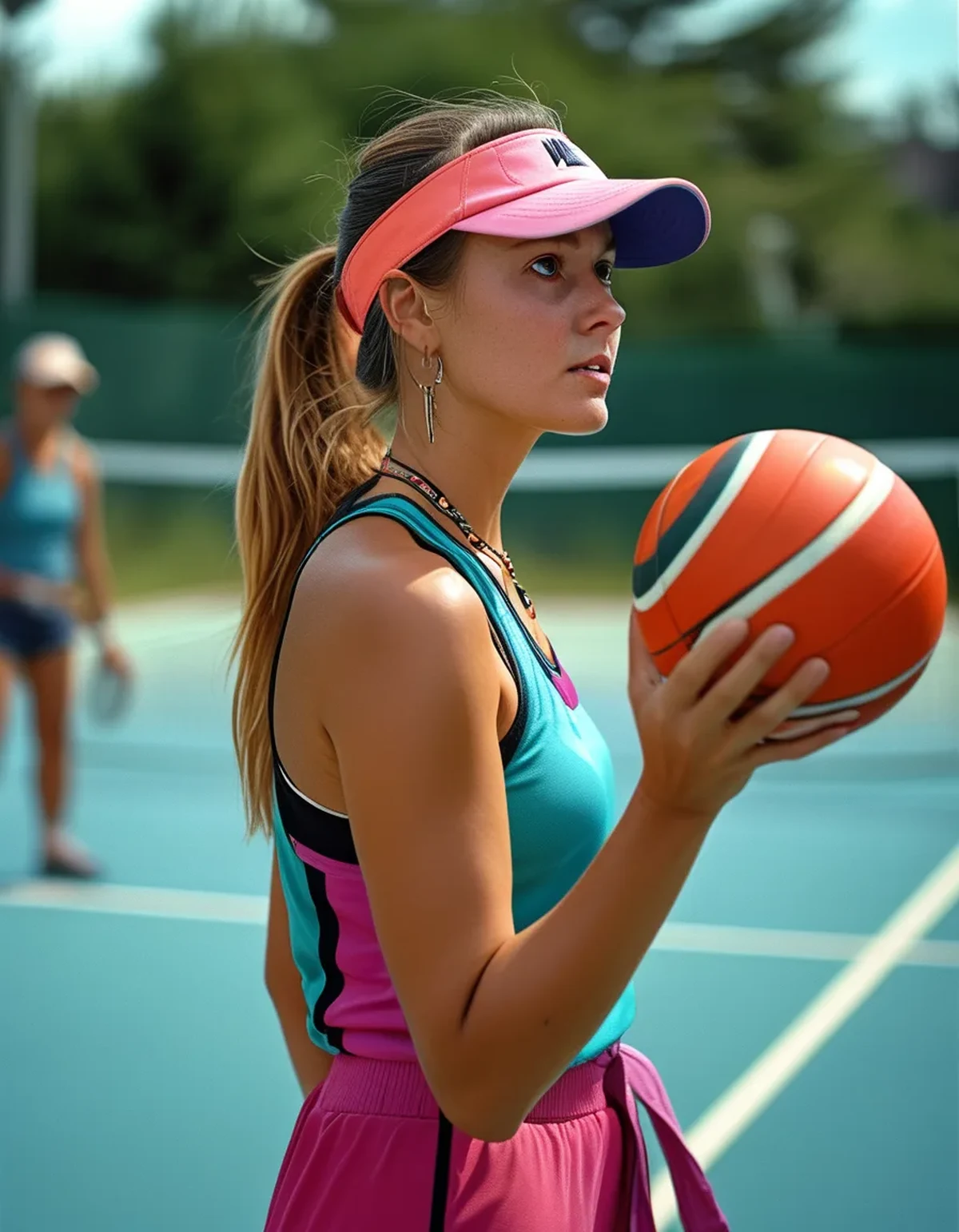
Seen here: UPF 50+ Pleated Running Skort with 26” Leggings & Pockets — shop similar styles on bubblelime.com
Keep Reading
This article is for general informational purposes only and is not medical advice. It is not a substitute for professional diagnosis or treatment. Always consult a qualified healthcare provider about your individual situation, especially before making significant changes to your diet or exercise routine.