Pickleball Paddle Weight: Why It Matters More Than Brand or Price
Quick Answer: Lighter paddles (7.2-7.5 oz) favor quick hands and reduce arm fatigue, ideal for beginners and doubles-focused players. Heavier paddles (8.0+ oz) add power and stability for players with an aggressive, driving style. Most beginners are better served starting light and adding weight later if needed.
You researched paddle brands and price points for weeks and still feel off on the court — because the spec quietly doing the most work for how a paddle actually plays in your hand is weight, and it rarely gets top billing in reviews.
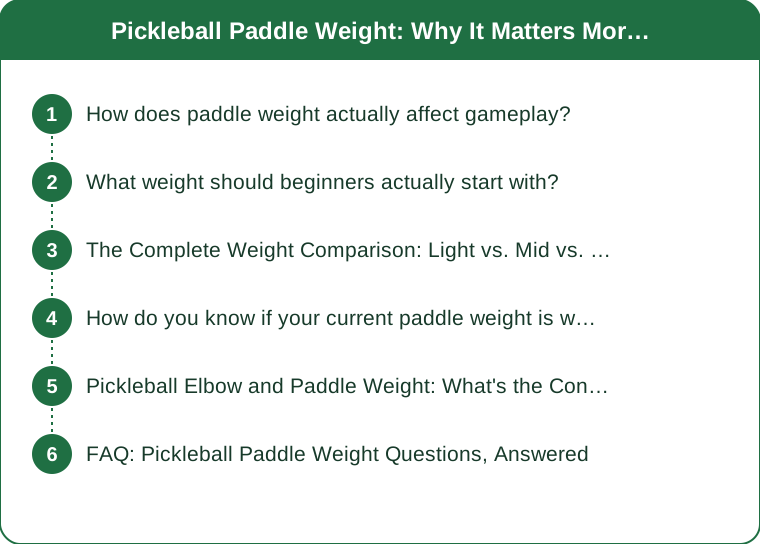
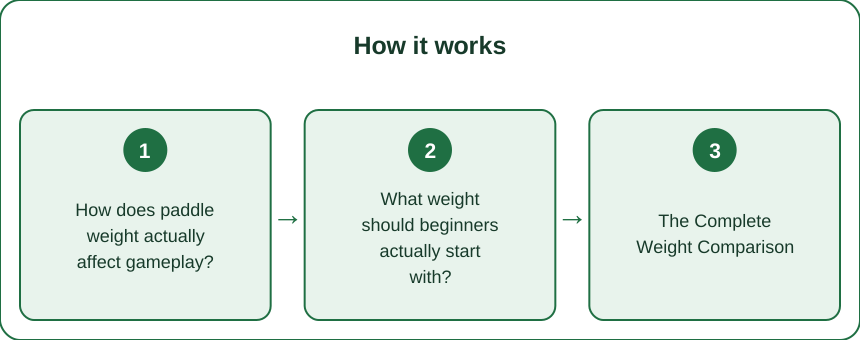
How does paddle weight actually affect gameplay?
A lighter paddle (under 7.6 oz) allows faster hand speed for quick reaction volleys and dinks at the net — critical in doubles, where reaction time at the kitchen line matters more than raw power. A heavier paddle (8.0 oz+) transfers more mass into each shot, adding power on drives and serves but at the cost of slower maneuverability for fast net exchanges.
What weight should beginners actually start with?
7.3-7.6 oz is the most commonly recommended beginner range — light enough to avoid arm and shoulder fatigue while learning proper technique, without sacrificing so much mass that shots feel weak. Starting heavy before technique is solid often just compensates for poor form with extra swing force, which doesn’t transfer well as skills develop.
The Complete Weight Comparison: Light vs. Mid vs. Heavy Paddles
Light (under 7.3 oz): fastest hand speed, least arm fatigue, best for doubles and dink-heavy play; least natural power on drives.
Mid-weight (7.3-7.8 oz): the most versatile all-around range, balancing control and power reasonably for most playing styles.
Heavy (7.8 oz+): most power on drives and serves, best for aggressive singles or players with strong existing technique; higher arm fatigue risk over long sessions, harder to react quickly at net.

How do you know if your current paddle weight is wrong for you?
Arm or elbow fatigue/pain after regular play often signals too heavy a paddle for your current technique. Weak, underpowered shots despite solid contact can signal too light a paddle once your technique has developed past beginner level. Testing a demo paddle one weight class up or down before buying is the most reliable way to actually know, rather than guessing from a spec sheet.
Pickleball Elbow and Paddle Weight: What’s the Connection?
An overly heavy paddle relative to your arm strength and technique is a known contributing factor to pickleball elbow (a tendon overuse injury similar to tennis elbow), since more mass swung repeatedly increases strain on the forearm tendons. If elbow pain develops, checking paddle weight — alongside grip size and technique — is one of the first things worth adjusting before assuming it’s purely an overuse issue requiring rest alone.
FAQ: Pickleball Paddle Weight Questions, Answered
Does paddle weight affect control more than power?
Generally the reverse — lighter paddles favor control and quick hands, heavier paddles favor power; very few paddles excel at both extremes simultaneously.
Should doubles and singles players choose different weights?
Often yes — doubles rewards the quicker hands of a lighter paddle at net, while singles’ longer rallies and more driving shots can favor slightly heavier paddles.
How much does 0.5 oz actually matter in practice?
More than most players expect — a half-ounce difference is noticeable in hand speed and fatigue over a full match, which is why demoing before buying is worth the effort.
TL;DR:
- Weight affects gameplay more than brand or price for most players
- Beginners generally do best starting in the 7.3-7.6 oz range
- Lighter favors quick hands and doubles; heavier favors power and driving singles play
- An overly heavy paddle for your technique is a real contributing factor in pickleball elbow
See It in Motion
Seen here: UPF 50+ Pleated Running Skort with 26” Leggings & Pockets — shop similar styles on bubblelime.com
Keep Reading
This article is for general informational purposes only and is not medical advice. It is not a substitute for professional diagnosis or treatment. Always consult a qualified healthcare provider about your individual situation, especially before making significant changes to your diet or exercise routine.