Pickleball or Tennis: Which Court Is Calling You?
Quick Answer: Pickleball gets you rallying on day one, is easier on knees and hips, costs about $60 to start, and has a famously social open-play culture. Tennis takes weeks before points feel like points, demands more sprinting and harder stops, and offers a far deeper skill ceiling. Pick pickleball for fast fun and instant friends; pick tennis for the long climb.
The courts are having a moment. Tennis, the elegant incumbent with a century of tradition. Pickleball, the plastic-ball insurgent that arrived with a funny name and has been quietly annexing tennis courts ever since.
If you’re choosing a racquet home — or wondering whether to defect — here’s the honest match-up. No loyalty, just fit.
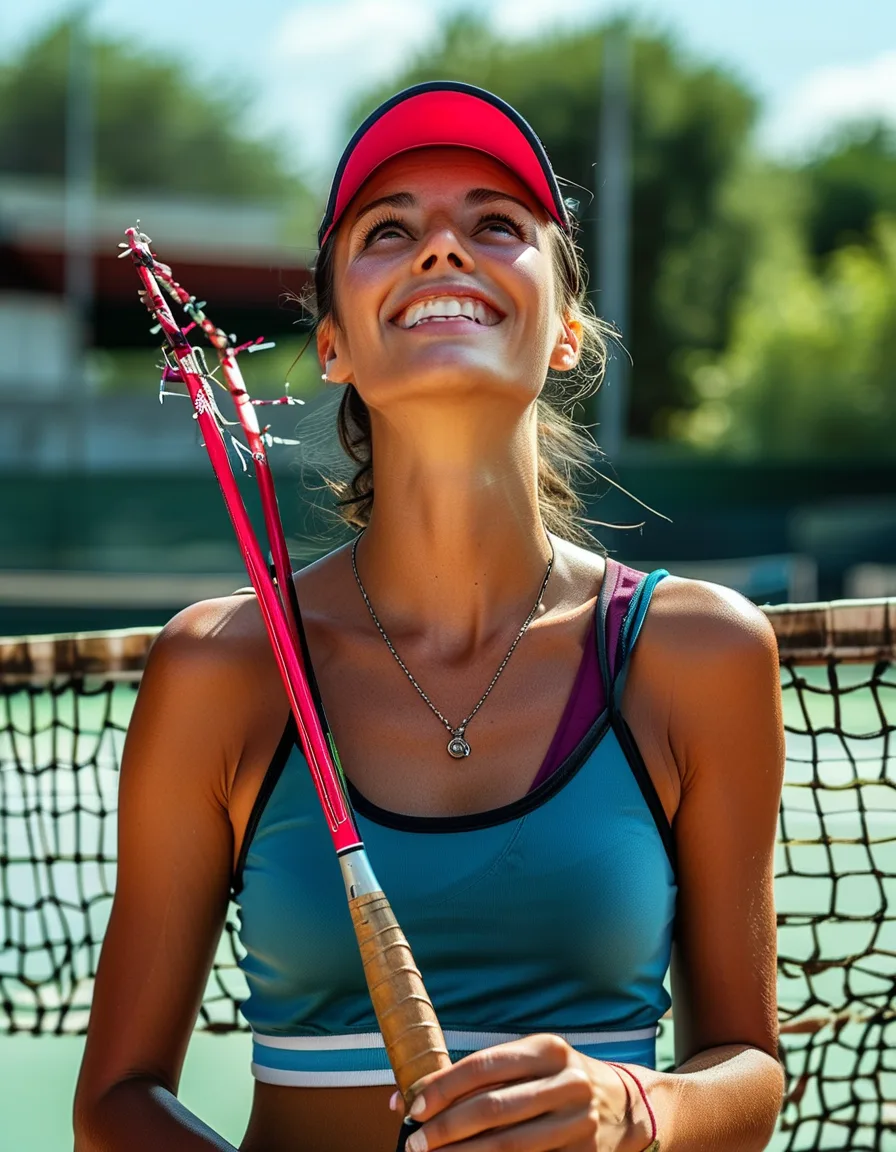
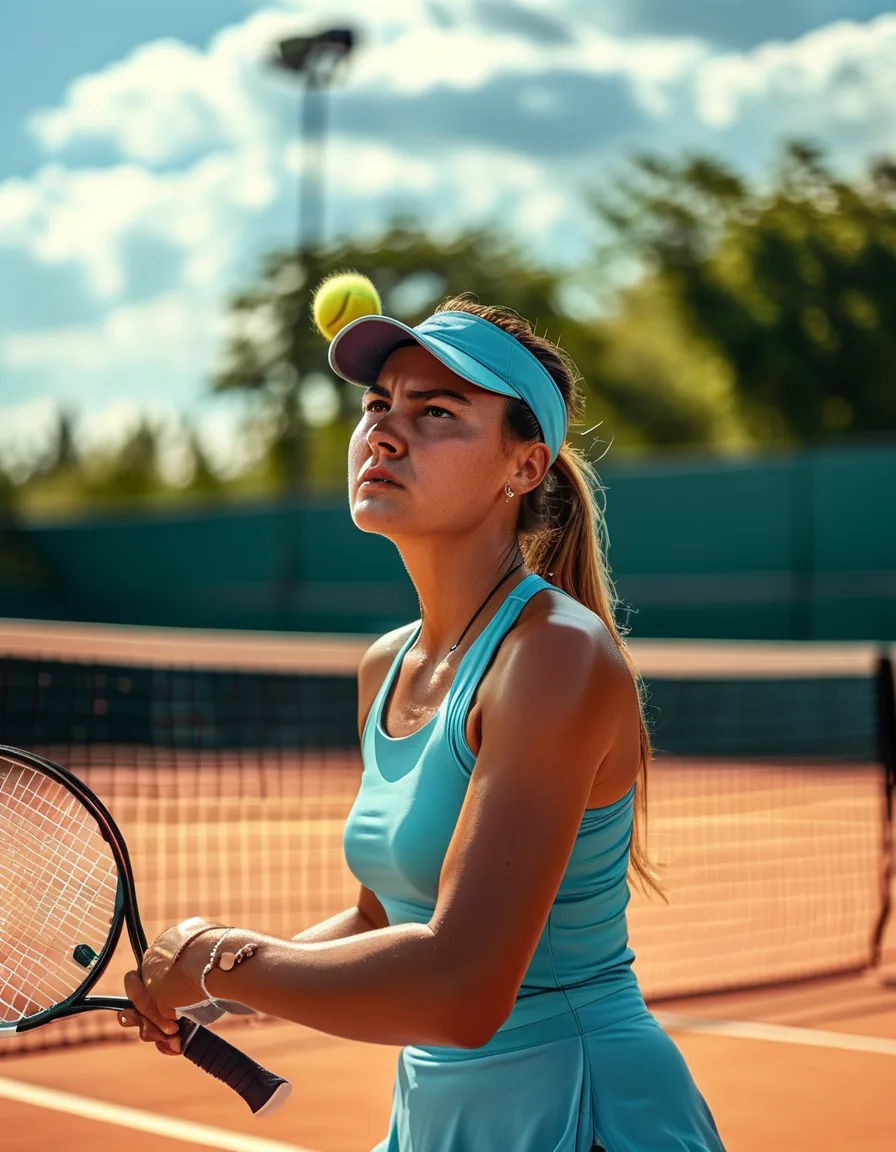
Which is easier to learn, pickleball or tennis?
Pickleball, by a wide margin, and it isn’t close.
You’ll have real rallies in your first session. The ball is a slow perforated plastic wiffle ball, the court is 20 by 44 feet — about a third the playing area of a tennis court — and the paddle is short, so there’s much less to coordinate. Most beginners are playing actual points within 20 minutes.
Tennis asks for more upfront. The ball moves faster, the court is bigger, and the strokes have longer swing paths that take genuine repetition to groove. Expect several weeks of lessons or hitting before points start feeling like points rather than fetching practice.
But the trade runs both ways. Tennis’s skill ceiling is dramatically higher — spin, angle, serve variety, court positioning, and a physical game that keeps developing for decades. Pickleball has real depth at high levels too, particularly around the kitchen line, but you reach competent much faster and the climb after that is shorter.
Instant gratification: pickleball. Deeper long game: tennis, by a set.
Which sport is easier on your joints?
Pickleball, mostly because of geometry.
The court is small, so you’re covering far less ground. Fewer full sprints, fewer emergency stops, fewer lunges at full stretch. For anyone managing knees, hips, or a back that has opinions, that’s a meaningful difference — and it’s a large part of why pickleball grew first among players over 50.
Tennis asks more: more running, harder decelerations, more rotational load on the shoulder and hip from full swings. That’s not a flaw — it’s also why tennis delivers a bigger cardio session and more total work per hour.
Two honest caveats. Pickleball’s low, quick footwork near the kitchen produces its own injury pattern — Achilles strains and falls are the common ones, especially in players who jumped in without any conditioning. And “easier on joints” doesn’t mean “no warm-up needed.” Five minutes of movement before either sport is not optional past about 40.
Both, it should be said, comprehensively beat the couch.
Which has the better social scene?
Pickleball, if you’re arriving without a group.
The culture is built around open play — you show up alone, add your paddle to a rack, and get slotted into games with strangers. Within an hour you’ve played with eight people. It’s the single fastest onboarding of any racquet sport, and it’s why so many people describe pickleball as a social club that happens to involve a paddle.
Tennis skews toward arranged matches, leagues, and clinics. It’s more structured and often more committed — but it takes longer to build a hitting circle from a cold start, because you generally need to find one specific person at roughly your level who’s free on Thursday.
If you have a friend who plays tennis, that gap closes immediately. If you don’t, pickleball will have you socially embedded within two weeks.
What does it cost to start?
Pickleball is cheaper to enter and cheaper to stay in.
Pickleball: a decent beginner paddle runs $50–100, balls are a few dollars each, and court shoes you may already own. Many public courts are free, and open-play sessions often cost $5–10. Total start: around $60–130.
Tennis: a beginner racquet is $80–200, and it needs restringing every few months if you play regularly ($20–40 a time). Balls go dead and get replaced. Lessons are close to necessary — budget $50–100 an hour — and court time at a club adds up. Total start: $150–300, plus a lesson budget.
Neither is expensive as sports go. But pickleball’s low entry cost is a real part of its growth story.
The honest answer
Try both. Intro sessions cost almost nothing and one hour on each court will tell you more than any comparison article, including this one.
What actually happens to a lot of people: they play pickleball on weekday evenings because it’s easy to get a game, and tennis on weekends when they’ve got two hours and a partner. Or they defect seasonally. The courts are neighbors, not rivals — and the sports genuinely complement each other, though be warned that pickleball’s short compact stroke can briefly scramble a tennis swing until your body sorts out which one it’s doing.
Whichever you choose, wear something you can move in without adjusting. Court sports involve a lot of lunging and squatting, so squat-proof high waist yoga pants or proper court shorts beat whatever’s clean, and court shoes with lateral support beat running shoes — running shoes are built for forward motion and will roll an ankle on a side shuffle.
FAQ
Is pickleball good exercise compared to tennis?
Both provide solid exercise, but tennis generally delivers a higher-intensity session — more running, more total distance covered, and a higher average heart rate. Pickleball still gets most players into a moderate-intensity zone for the full session, and because games are quick and social, people often play longer than they’d planned.
Can tennis players switch to pickleball easily?
Very easily — court sense, hand-eye coordination, and volley skills all transfer directly, and most tennis players are competitive at pickleball within a few sessions. The adjustment is learning to shorten the swing and play softly at the kitchen line, which is the opposite instinct from tennis power.
Which sport is better for beginners over 50?
Pickleball, for most people. The smaller court means less sprinting and fewer hard stops, the learning curve gets you into real games immediately, and the open-play culture makes it easy to start without a partner. Tennis remains a great option if joints are healthy and you enjoy a longer skill climb.
TL;DR:
- Pickleball: real rallies on day one, small court, lower joint load, ~$60–130 to start, open-play culture that onboards you instantly.
- Tennis: weeks to competence, bigger court and bigger cardio, higher skill ceiling, ~$150–300 plus lessons and restringing.
- Joints and calendar vote pickleball; depth and sweat vote tennis.
- Court shoes over running shoes for both — lateral support prevents rolled ankles.
- Both-curious is a fully licensed lifestyle. Play whichever gets you on a court twice a week.
See It in Motion
Seen here: UPF 50+ Adjustable A-Line Running Skort with Pockets — shop it on bubblelime.com
Keep Reading
This article is for general informational purposes only and is not medical advice. It is not a substitute for professional diagnosis or treatment. Always consult a qualified healthcare provider about your individual situation, especially before making significant changes to your diet or exercise routine.