Why Pickleball Causes a Different Wrist Injury Than Tennis (and How to Prevent It)
Quick Answer: Pickleball’s shorter, lighter paddle and quicker exchange pace lead to more repetitive, rapid wrist snapping motions at the net, while tennis’s longer racket and swing arc load the wrist and forearm differently — meaning tennis wrist-strengthening habits don’t fully transfer, and pickleball needs its own specific prevention routine.
You’ve played tennis for years without wrist trouble, picked up pickleball, and within weeks your wrist is aching in a way it never did on the tennis court. That’s not bad luck — it’s a genuinely different repetitive motion.

Why is pickleball’s wrist strain pattern different from tennis?
Tennis strokes generate power through a longer swing arc and forearm rotation, spreading load across the whole arm. Pickleball, especially at the net, involves much shorter, faster wrist-flick motions — quick dinks and volleys with minimal backswing — putting concentrated, repetitive stress specifically on the wrist joint and its stabilizing tendons.
The higher shot frequency in a typical pickleball rally (faster exchanges, closer net play) also means more repetitions per session than an equivalent tennis session.
What specific wrist issues does pickleball tend to cause?
The most common is a strain or irritation of the tendons on the top or side of the wrist from repetitive snapping motions, sometimes described as a ‘pickleball wrist’ distinct from classic tennis elbow. It typically shows up as soreness that worsens with net play specifically, rather than during groundstrokes.
What prevention moves actually target this pattern?
1. Wrist flexor and extensor stretches before play — gently bending the wrist up and down with the opposite hand, 20-30 seconds each direction.
2. Grip strength work off the court — a stress ball or grip trainer for 2-3 sets of 15-20 squeezes, a few times a week, builds the stabilizing strength that repetitive dinking demands.
3. Checking paddle grip size — a grip too small forces extra wrist snap to generate power; too large restricts natural wrist motion. Most players default to whatever grip came with the paddle without checking fit.
4. Limiting consecutive high-volume net sessions early in your pickleball habit, the same way you’d ramp up any new repetitive-motion activity.
When does wrist soreness need a professional look instead of just rest?
If pain persists beyond a few days of rest, worsens with normal daily wrist use (typing, opening jars), or comes with visible swelling, that’s a case for a doctor or physical therapist, not just modifying your game — repetitive strain injuries can worsen with continued unaddressed play.
FAQ: Pickleball Wrist Questions, Answered
Is a wrist brace a good preventive measure?
A light compression wrist support can help during recovery, but it’s not a substitute for addressing grip size and stroke mechanics as the root cause.
Does switching paddle weight help?
A slightly heavier paddle can reduce the wrist snap needed for power in some players, though the right weight varies by individual — try a demo before committing.
How long should I rest if my wrist starts hurting?
A few days off net-heavy play, ice, and the stretches above are reasonable first steps — but persistent pain beyond a week warrants a professional opinion.
TL;DR:
- Pickleball’s quick wrist-flick net play differs from tennis’s longer swing arc — different load pattern entirely
- Wrist flexor/extensor stretches and off-court grip strength work target this specifically
- Check your paddle grip size — wrong size forces extra wrist snap
- Persistent pain, swelling, or pain during normal daily tasks needs a professional look
This is general information, not medical advice — new repetitive strain that doesn’t resolve with rest deserves a doctor’s evaluation, not just fewer net sessions.
See It in Motion
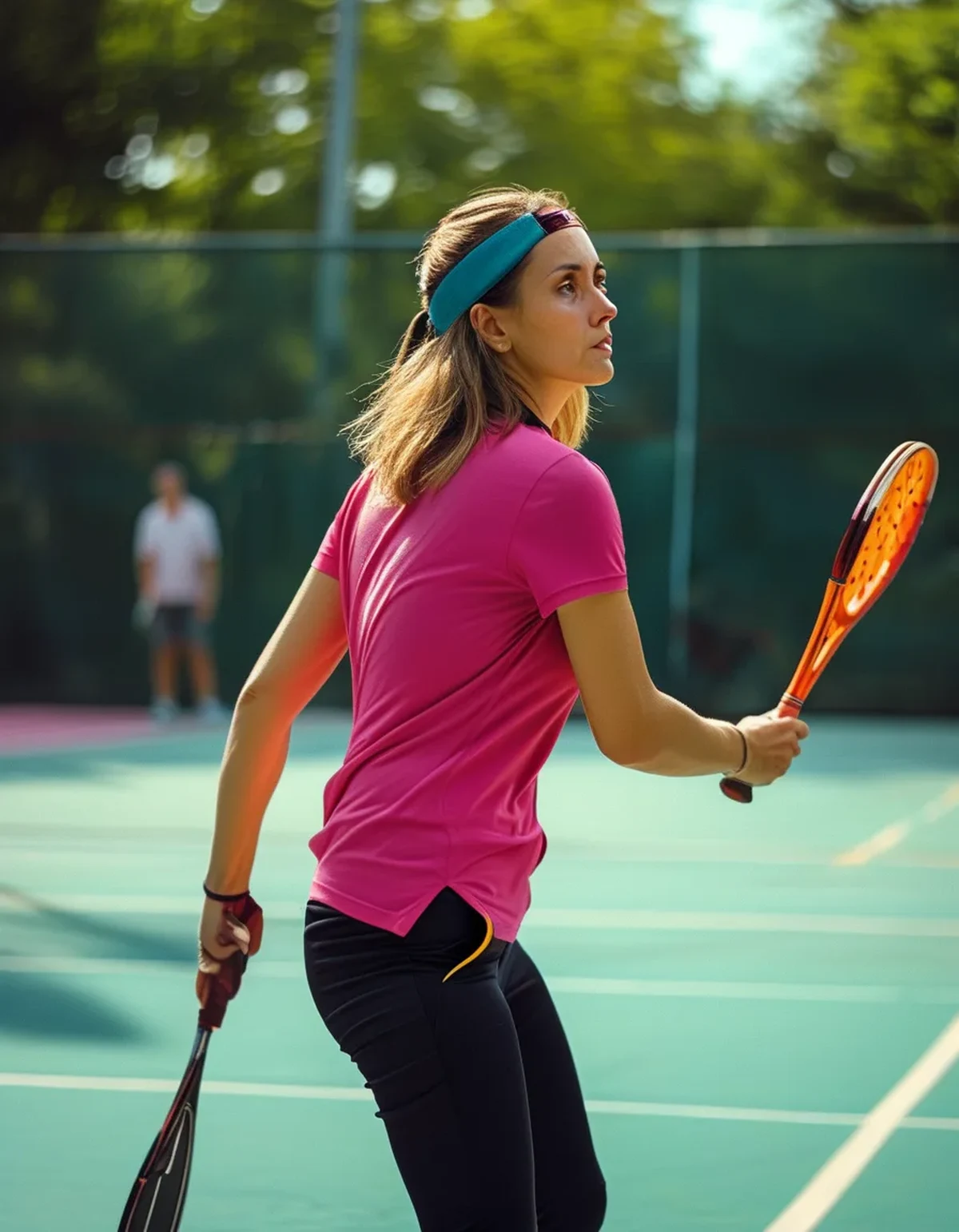
Seen here: UPF 50+ Adjustable A-Line Running Skort with Pockets — shop it on bubblelime.com
Keep Reading
This article is for general informational purposes only and is not medical advice. It is not a substitute for professional diagnosis or treatment. Always consult a qualified healthcare provider about your individual situation, especially before making significant changes to your diet or exercise routine.