Tennis Backhand Basics: One-Handed vs Two-Handed for Beginners
Quick Answer: Most beginners should start with a two-handed backhand — it’s easier to control and doesn’t demand much arm strength. Whichever style you pick, the shot becomes reliable through grip, an early shoulder turn, front contact, and repetition — usually within a few weeks of focused drilling.
The backhand trips up more beginners than any other shot in tennis, and it’s usually not because the stroke is inherently harder — it’s because most people never nail down the fundamentals before trying to add power. Pick your style, lock in the basics, and this becomes one of the most reliable shots in your game.
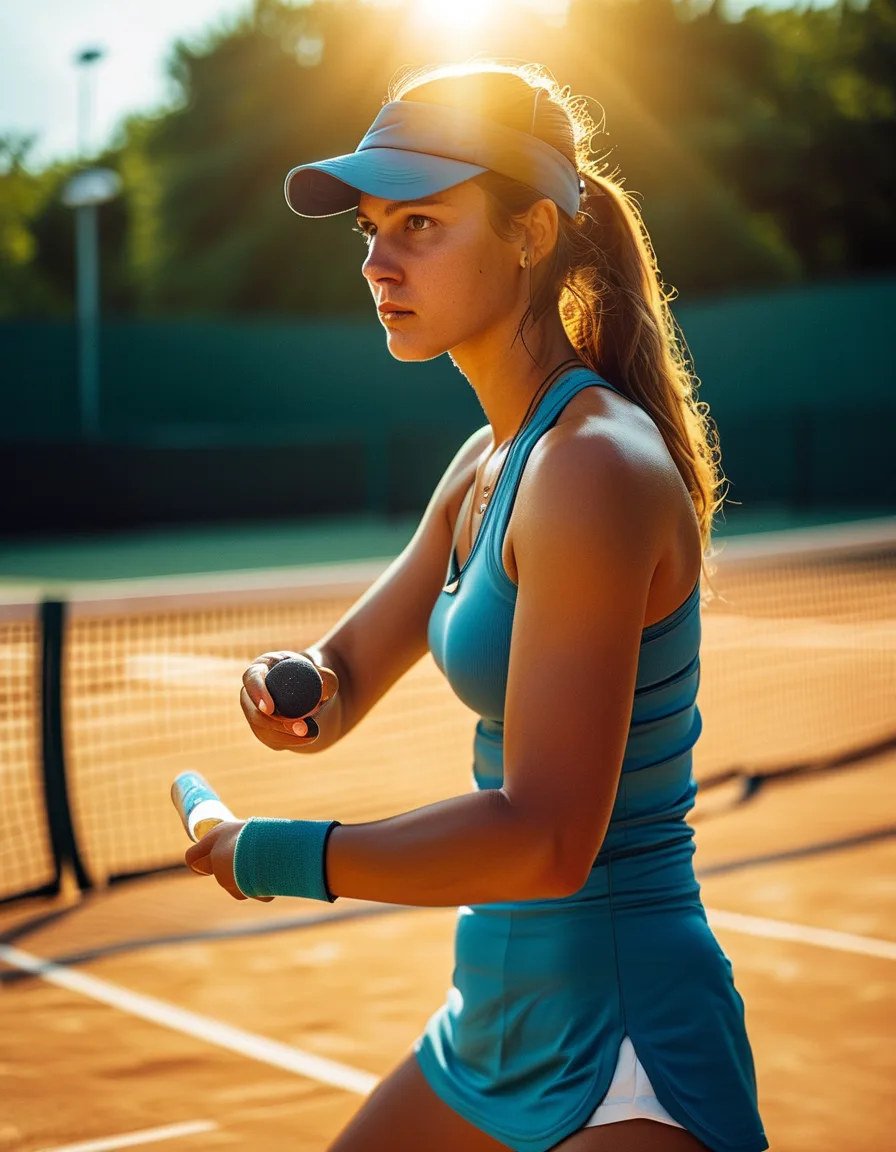
Should You Learn a One-Handed or Two-Handed Backhand?
For most beginners, two-handed is the easier starting point. The second hand adds control and power without requiring much wrist or arm strength, which is exactly what you’re usually short on early. It’s the more common choice for a reason — the learning curve is gentler.
One-handed backhands offer more reach and a naturally smoother slice, but they’re more demanding technically. If your wrist and arm strength are still developing, two hands will feel noticeably more stable.
That said, both styles can slice — the one-hander just does it more naturally, while two-handers add slice as a secondary skill later on. The real move here: try both early, before you commit. Hit twenty balls each way and notice which one actually feels controllable, not just which one looks cooler on video.
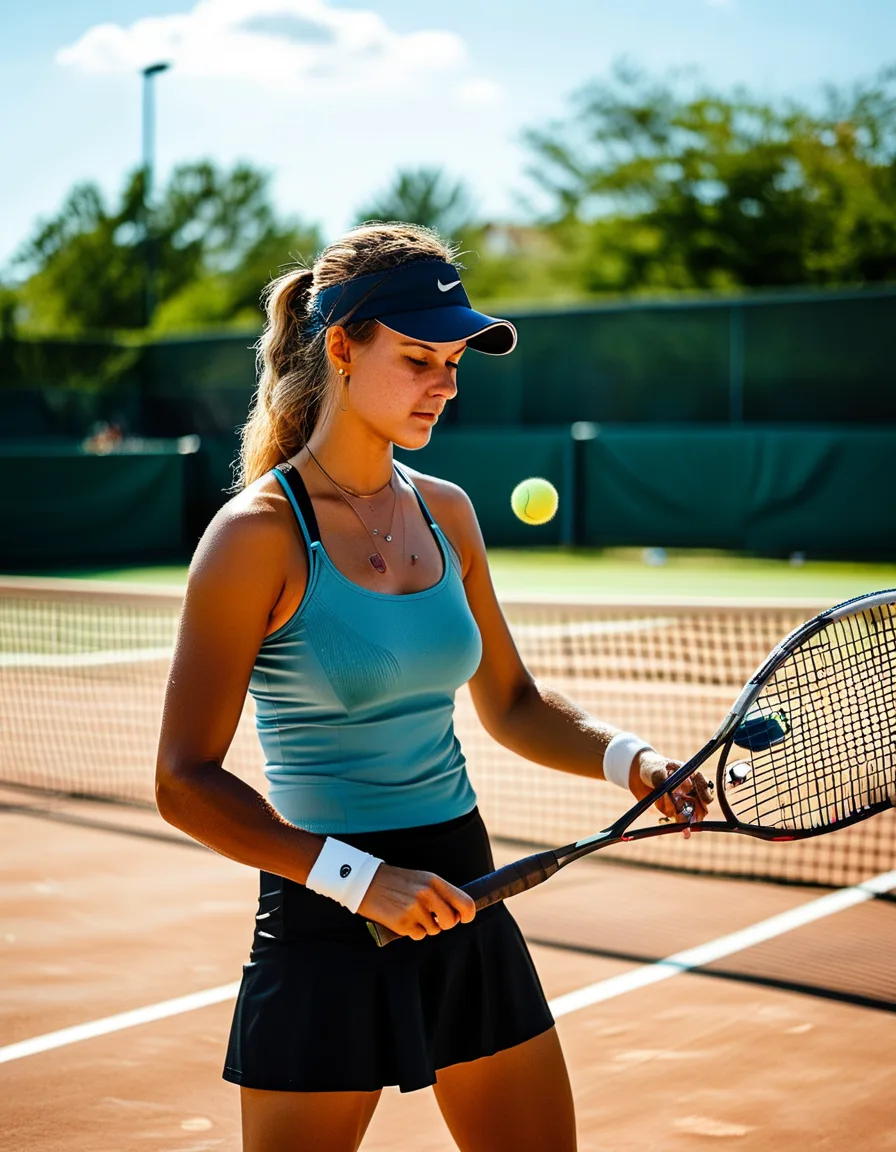
What Actually Makes a Backhand Repeatable?
Style choice matters less than most beginners think. What makes any backhand reliable is the same handful of fundamentals:
- The grip. This is your foundation, and it’s worth getting a coach or reliable guide to set it correctly early — a wrong grip makes everything downstream harder.
- An early shoulder turn. Prepare your racket and turn your shoulders the moment you see the ball coming your way, not after it bounces.
- Footwork into the ball. Step in and set a stable base before you swing. A rushed, off-balance backhand rarely lands where you want it.
- Contact out in front. Meet the ball ahead of your body, not late and beside you — this single fix solves more mishit backhands than any other adjustment.
- A low-to-high swing path. Brushing up through the ball generates topspin and keeps the shot in play with margin.
- A full follow-through. Finish across your body — a stroke that stops short is usually a stroke that lacked commitment.
- Eyes on the ball through contact. Simple, but it’s the fundamental most beginners drop first under pressure.
How Do You Actually Groove the Shot?
Reading about a backhand and owning one are very different things. These drills, done in this rough order, build the pattern into muscle memory:
- Shadow swings — practice the motion with no ball at all, just grooving the path. Do 10-15 before you ever touch a ball.
- Drop-and-hit — self-feed a bounce and hit for controlled reps. This is the basic building-block drill.
- Wall rallies — hitting against a wall gives you volume and rhythm no partner drill can match. Ten minutes here beats twenty minutes of stop-start rallying.
- Fed balls — a partner or coach feeding directly to your backhand builds consistency through repetition.
- Target practice — aim at cones or zones to dial in direction and depth, not just contact.
- Slow before fast — control comes first, pace comes later. Adding speed to a shaky pattern just grooves the shakiness.
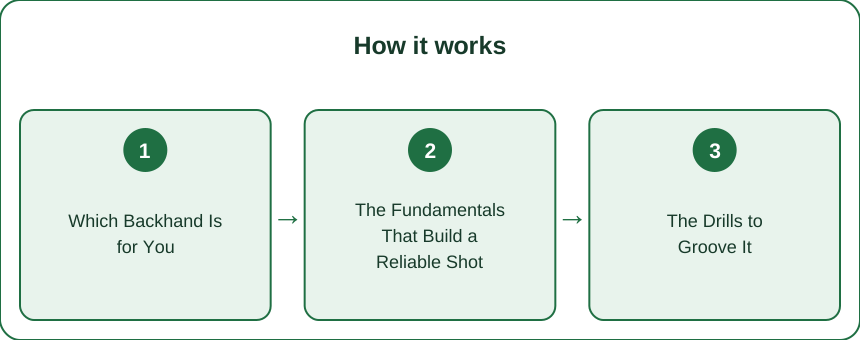
What Nobody Tells You About Learning a Backhand
Most beginners assume the backhand takes months or years to feel natural. In practice, a focused two-to-three-week stretch of the drills above — even just fifteen minutes a session — is usually enough to take it from “shot I dread” to “shot I trust.” The bottleneck usually isn’t talent, it’s that most players never isolate the backhand long enough to actually groove it; it just gets a few reps at the end of a normal rally session and never improves.
Mini FAQ
Is two-handed or one-handed backhand better for beginners?
Two-handed is generally easier for beginners — it gives more control and power without needing much arm or wrist strength. One-handed offers more reach and natural slice but takes longer to feel stable.
How long does it take to learn a reliable backhand?
With focused practice — shadow swings, drop-and-hit, wall rallies — most beginners see a real, dependable shot within a few weeks, not months.
What’s the single biggest fix for a weak backhand?
Contact point. Meeting the ball out in front instead of late and to the side fixes more mishit backhands than any grip or footwork adjustment.
TL;DR:
- Two-handed backhands are easier for most beginners; one-handed offers more reach but takes longer to master
- Try both early before committing to a style
- The fundamentals — grip, early turn, footwork, front contact, low-to-high swing, follow-through — matter more than style
- Groove it with shadow swings, drop-and-hit, wall rallies, fed balls, and target practice
- A reliable backhand typically takes a few focused weeks, not months
See It in Motion
Seen here: UPF 50+ Pleated Running Skort with 26” Leggings & Pockets — shop similar styles on bubblelime.com
Keep Reading
This article is for general informational purposes only and is not medical advice. It is not a substitute for professional diagnosis or treatment. Always consult a qualified healthcare provider about your individual situation, especially before making significant changes to your diet or exercise routine.