What Is a Backhand in Tennis? One-Handed vs Two-Handed, Plus Doubles Strategy Basics
Quick Answer: A backhand is the stroke used to hit a ball on the side of your body opposite your dominant hand - for a right-handed player, that’s the left side. It can be hit with one hand or two on the grip; two-handed backhands offer more power and stability for beginners, while one-handed backhands offer more reach and are common in advanced and professional play.
If you’ve ever watched a rally and wondered why some players swing with both hands on one side and one hand on the other, this is that explainer - plus how your backhand choice actually changes doubles strategy.
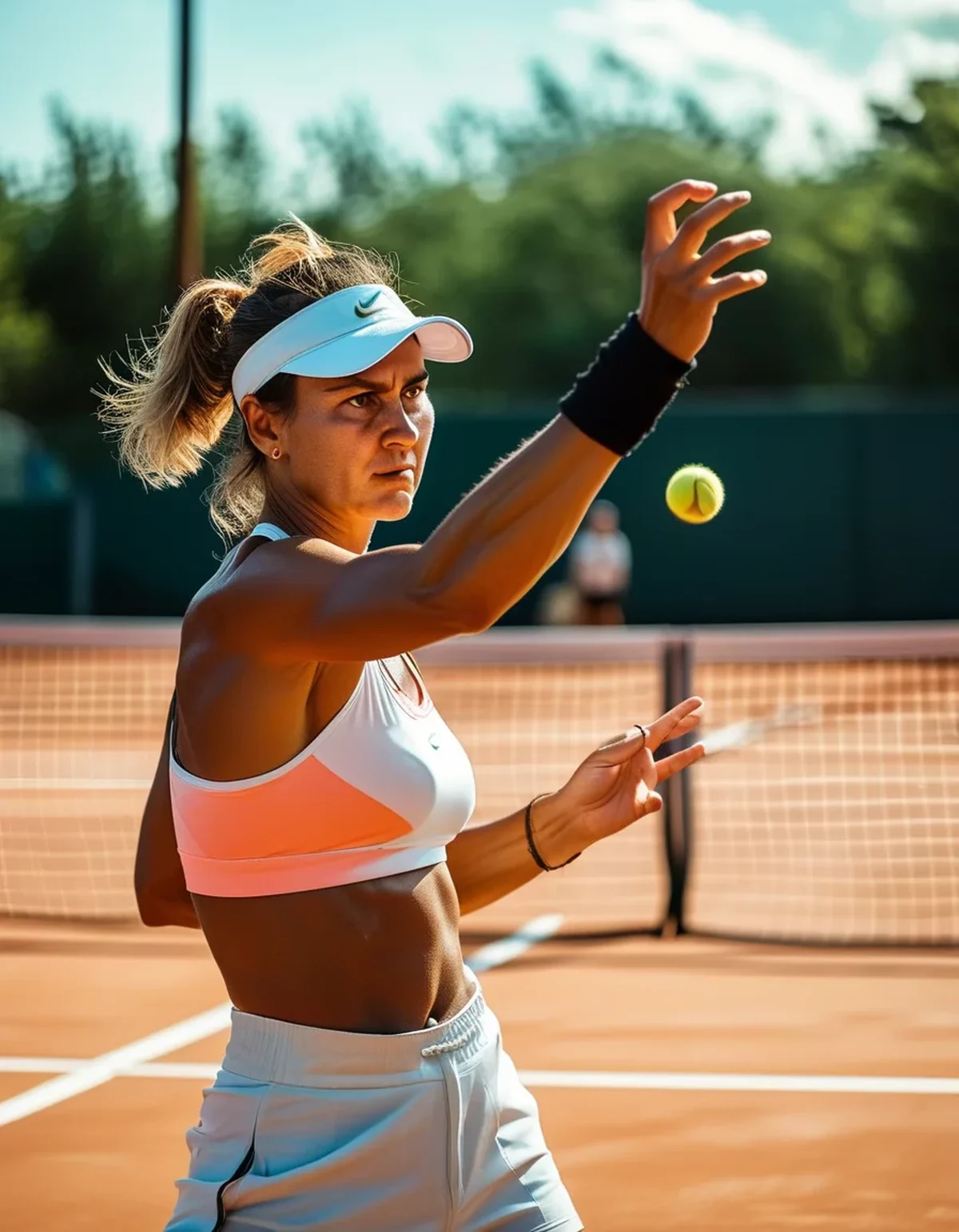
What is a backhand in tennis, exactly?
A backhand is any stroke hit on the side of your body opposite your dominant hitting hand - so for a right-handed player, any ball arriving to their left gets returned with a backhand swing, and their forehand covers the right side. It’s one of the four foundational tennis strokes alongside the forehand, serve, and volley.
The term describes the side of the body the stroke covers, not a single fixed technique - which is exactly why there are two very different ways to hit one. Understanding which side is your ‘backhand side’ is the first practical thing new players need to identify before working on technique, since it determines your footwork and preparation on every incoming ball to that side.
Most beginners find the backhand less intuitive than the forehand initially, partly because the body has to rotate more and partly because grip changes are required mid-rally to switch between the two strokes efficiently.
The backhand also tends to expose weaknesses in footwork faster than the forehand does, since there’s less room for error in getting your body into position - a slightly late forehand can often still be salvaged with arm adjustment alone, while a slightly late backhand more often results in a mistimed, weak shot. This is part of why coaches spend a disproportionate amount of early lesson time on backhand-specific footwork drills relative to forehand ones.
Understanding the backhand also matters for reading an opponent’s game, not just playing your own shots. Watching which side an opponent favors, and how confidently they move to set up a backhand versus a forehand, gives you real strategic information mid-match - a hesitant, late-prepared backhand from across the net is often a signal worth noticing and using.
How does a one-handed backhand actually work?
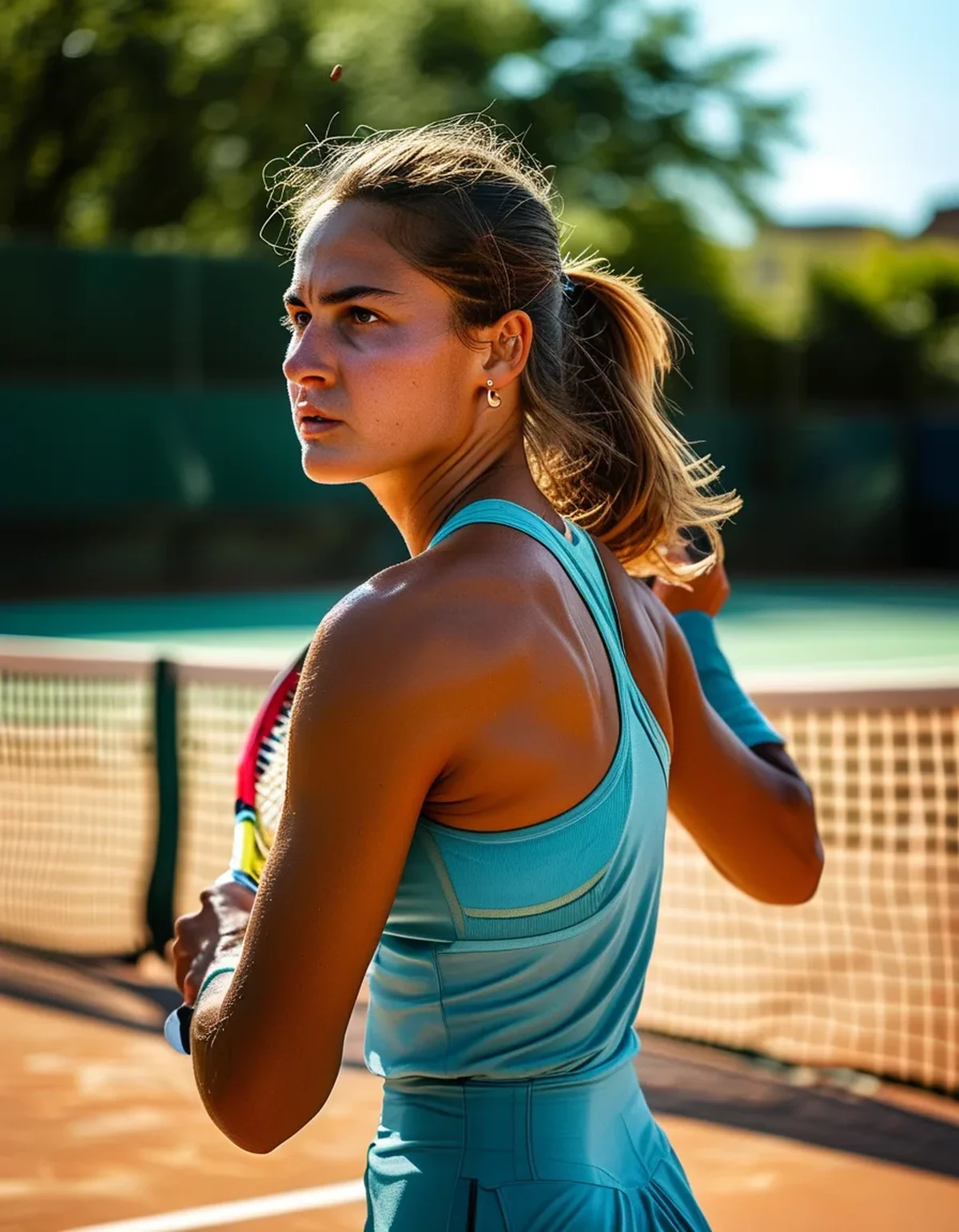
A one-handed backhand keeps one hand on the racket grip throughout the swing, typically using an eastern or continental backhand grip, with the non-hitting arm helping balance the rotation and extending out behind you as you swing through the ball. The swing path tends to be longer and more sweeping than a two-handed version.
The main advantage is reach - a one-handed backhand can extend further to reach wide balls that a two-handed grip physically can’t stretch to cover as effectively. It also transitions more naturally into a slice backhand (a defensive, underspin shot) since the mechanics share the same one-handed grip.
The tradeoff is that it generally requires more precise timing and upper body strength to generate comparable power to a two-handed swing, which is part of why it’s less commonly taught to complete beginners, even though many advanced and professional players use it by choice for its versatility.
Grip choice within the one-handed backhand also affects how the stroke feels and performs. An eastern backhand grip tends to produce a flatter, more direct shot that’s easier for beginners to time consistently, while more advanced players sometimes shift toward a semi-western variation to generate additional topspin, at the cost of needing more precise timing to make clean contact.
How does a two-handed backhand actually work?
A two-handed backhand places both hands on the grip, functioning almost like a mirrored forehand from the opposite side, with the top hand (non-dominant) providing much of the power and the bottom hand guiding direction. The swing path is generally more compact than a one-handed version.
The main advantages for new players are stability and power - two hands on the grip naturally provide more control over the racket face, which tends to produce more consistent contact and more generated power with less precise timing required, making it the more commonly recommended starting point for beginners.
The tradeoff is reduced reach on wide balls, since the extra hand limits how far you can extend, and a somewhat more limited ability to hit an effective slice compared to a one-handed grip, though many two-handed players develop a serviceable slice using a modified one-handed grip switch just for that shot.
The top hand in a two-handed backhand typically mirrors the dominant hand’s grip on a forehand, which is part of why the stroke often feels more instinctive to new players who already have some forehand experience - the muscle memory partially transfers in a way that the one-handed backhand’s more unique mechanics don’t offer as readily.
Which one should you actually learn first?
For most complete beginners, starting with a two-handed backhand is the more common and often easier path - the added stability tends to produce usable, confident shots faster, which keeps rallies going and motivation up in the early weeks of learning.
Players with strong general athleticism, a background in other two-handed sports (like baseball or hockey), or a specific interest in matching a favorite pro’s one-handed style sometimes start there instead - there’s no rule requiring beginners to start two-handed, it’s simply the more forgiving starting point statistically.
Age and physical strength also factor into this decision more than beginners often expect. Players with less developed upper body and core strength tend to struggle more with the one-handed version early on, since it demands more precise timing and more rotational strength to generate comparable pace - a two-handed grip compensates for some of that strength gap mechanically, which is part of why youth tennis programs so commonly default to teaching it first. Adult beginners who already have decent general strength from other sports or fitness backgrounds sometimes find the one-handed backhand more approachable than a total beginner would, since they’re not fighting the same strength deficit.
Coaches also point out that switching a beginner’s grip later, after months of two-handed muscle memory, is a real undertaking - not impossible, but requiring a genuine adjustment period. If you’re drawn to the one-handed look for aesthetic or strategic reasons and are willing to accept a slower initial learning curve, starting there from day one avoids that later transition entirely.
Myth vs Fact: Backhand Technique
Myth: A one-handed backhand is always more advanced or ‘better’ than a two-handed one. Fact: Both are used at the highest levels of professional tennis - it’s a stylistic and mechanical choice, not a skill hierarchy. Many of the most dominant players in tennis history used two-handed backhands.
Myth: You can’t switch from two-handed to one-handed later, or vice versa. Fact: Players switch at various points in their development, though it typically takes weeks to months to feel natural again after a change - it’s a real adjustment, not a quick tweak.
Myth: A weak backhand means you should just avoid using it. Fact: Opponents will target a weak side relentlessly, especially in doubles - avoiding it isn’t a strategy, it’s a vulnerability that gets exploited.
Myth: Watching professional matches teaches you correct backhand technique automatically. Fact: Professional backhands are often executed with timing, strength, and reaction speed built over years of dedicated training - they’re worth watching for general form cues, but copying the exact swing without foundational coaching often reinforces compensations rather than clean mechanics.
Myth: A backhand slice is only a beginner or defensive shot with no real strategic value. Fact: The slice is used at every level of competitive tennis specifically to change pace, pull an opponent out of rhythm, and set up approach shots at the net - it’s a legitimate offensive tool, not just a fallback for when a topspin backhand isn’t working.
How does your backhand affect doubles strategy?
In doubles, court positioning is built around directing shots to an opponent’s weaker side, which for many players is the backhand. If you know your backhand is a strength, standing to receive more balls on that side (adjusting position slightly) can turn a defensive stroke into an offensive weapon during a point.
If your backhand is still developing, doubles strategy often shifts toward net positioning and shot placement that limits how often you’re forced into a defensive backhand under pressure - communicating with your partner about which side to poach or cover more aggressively. Team communication about who covers the middle on backhand-side balls is one of the most common breakdowns in recreational doubles, since both players can hesitate on a ball hit right between them.
Serving strategy connects here too: many players intentionally serve to an opponent’s backhand more often than their forehand, since a return off a weaker backhand is statistically more likely to be shorter or less aggressive, giving the serving team’s net player a better chance to finish the point.
Return positioning is another area where backhand strength matters in doubles specifically. A player confident on the backhand return can stand slightly closer to the baseline and take the ball earlier, putting more pressure on the serving team; a player still building backhand confidence often benefits from standing a touch further back on that side, trading some aggression for more reaction time to get the racket face square on contact.
At the net, a strong backhand volley changes what shots a doubles team can confidently poach - intercepting a crosscourt shot aimed at your partner. A player who trusts their backhand volley can cover more court at net, while a player still developing it often needs to communicate more explicitly with their partner about which balls they’ll leave to avoid a weak, defensive volley turning into an easy point for the opposing team.
FAQ: Tennis Backhand and Doubles Questions, Answered
Is it normal for my backhand to feel much weaker than my forehand as a beginner?
Yes, this is extremely common - the forehand is generally the more intuitive stroke for most new players, and a backhand gap of several weeks to months in development is typical, not a sign you’re doing something wrong.
Can I use a one-handed slice even if my regular backhand is two-handed?
Yes, many two-handed players learn a one-handed slice as a separate shot for defensive or approach situations - it’s a common and useful addition rather than a conflicting technique.
Does doubles strategy really change that much based on one stroke?
Yes, meaningfully - shot placement, positioning, and even serve target selection in doubles are frequently built around exploiting or protecting the backhand side specifically, since it’s statistically the more common weaker side for most players.
How long does it typically take to feel confident on a new backhand technique?
Most recreational players report feeling reasonably comfortable within 2-3 months of consistent practice and lessons, though genuine confidence under match pressure - especially on faster or higher-bouncing balls - often takes closer to 6 months to a year to fully develop.
Is it worth taking a private lesson specifically focused on backhand technique?
For many players, yes - the backhand’s less intuitive mechanics mean small, early corrections from a coach can prevent compensating habits from becoming ingrained, which is often harder to fix later than it would have been to address from the start.
TL;DR:
- A backhand covers the side opposite your dominant hand - left side for right-handed players
- Two-handed backhands offer more stability and power for beginners; one-handed offers more reach
- Most beginners find two-handed easier to start with, though both are used at the pro level
- Doubles strategy often targets the backhand side directly, making it a real strategic factor, not just a stroke
Whichever version you choose, consistent practice on that side closes the gap with your forehand faster than most beginners expect.
See It in Motion
Seen here: UPF 50+ Adjustable A-Line Running Skort with Pockets — shop it on bubblelime.com
Keep Reading
This article is for general informational purposes only and is not medical advice. It is not a substitute for professional diagnosis or treatment. Always consult a qualified healthcare provider about your individual situation, especially before making significant changes to your diet or exercise routine.