Tennis Elbow and Pickleball Elbow: Is There Actually a Meaningful Difference, or Is It the Same Injury With a Different Name?
Quick Answer: Medically, both ‘tennis elbow’ and ‘pickleball elbow’ refer to the same underlying condition — lateral epicondylitis, inflammation and micro-tearing of the tendons attaching to the outer elbow — but the specific mechanics that cause it differ somewhat between the two sports, which affects both prevention strategy and why pickleball players sometimes experience it differently than tennis players do.
The name has changed to match a newer, fast-growing sport, but underneath the label it’s the same tendon injury, just arrived at through a somewhat different repetitive motion pattern.
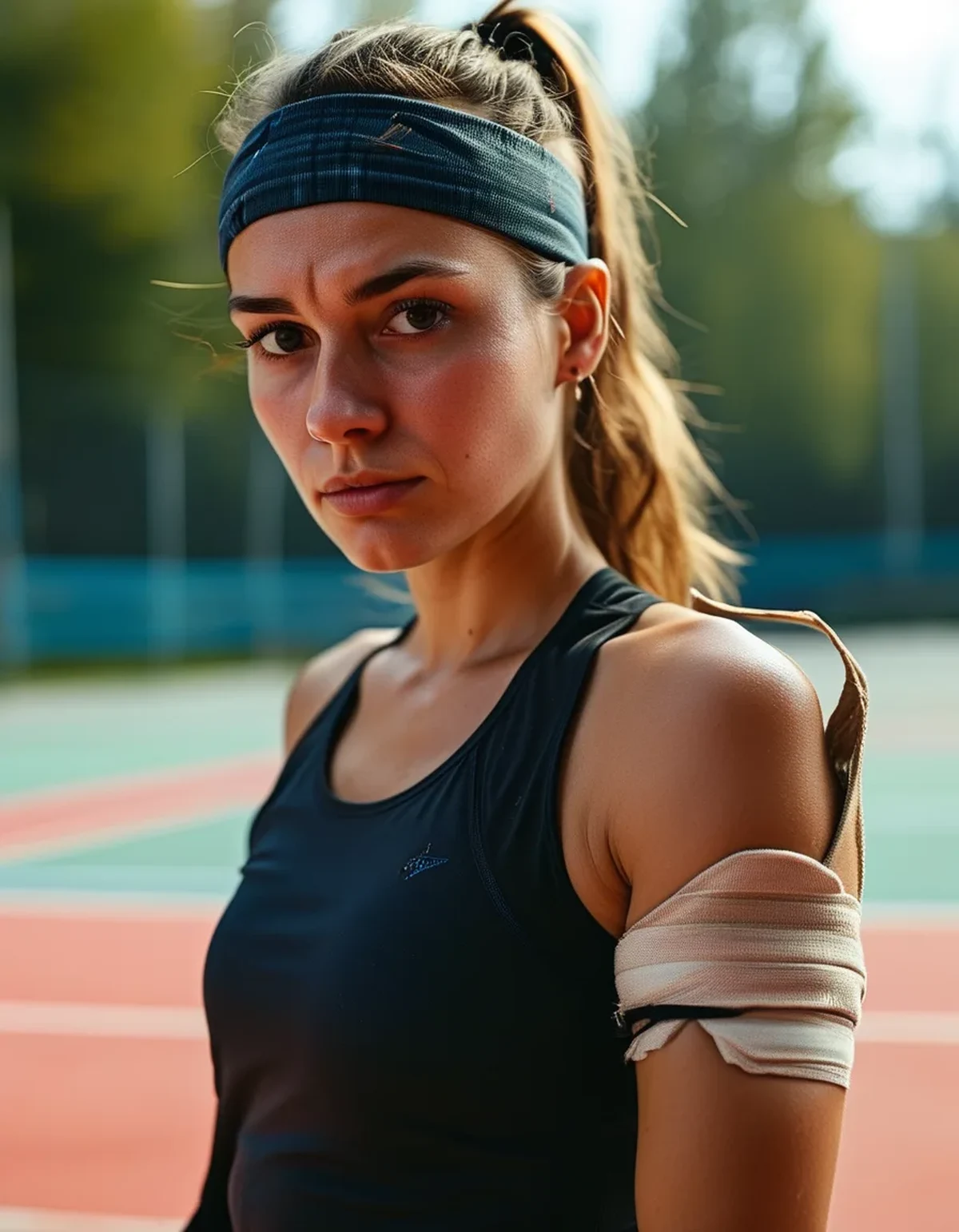
What exactly is happening in the elbow with this injury, regardless of which sport caused it?
Lateral epicondylitis involves repetitive strain and small-scale tearing in the tendons that attach forearm extensor muscles to the bony bump on the outside of the elbow (the lateral epicondyle), and this strain builds up gradually from repeated wrist-extension-loaded movements rather than from a single acute injury event, which is true whether the repetitive motion comes from a tennis backhand or a pickleball dink shot. The underlying tissue damage and diagnosis are identical regardless of which racket sport caused it, which is why the medical term doesn’t actually change between the two — ‘pickleball elbow’ is a popular, sport-specific nickname for the exact same lateral epicondylitis diagnosis, not a distinct medical condition.
If it’s the same injury, why do the causes differ between the two sports?
Tennis elbow classically develops from the extended, higher-force backhand stroke, particularly with poor technique that relies more on wrist and forearm strength than proper shoulder and core mechanics, while pickleball elbow more commonly develops from the sport’s higher volume of shorter, quicker, repetitive wrist-snap motions used in dinking and quick net-play exchanges, which involve less force per shot but often much higher repetition volume in a single session given pickleball’s faster gameplay pace and shorter court dimensions. This difference in mechanism — high force with moderate repetition versus lower force with very high repetition — means the injury can develop through somewhat different loading patterns even though the resulting tissue damage looks the same under evaluation.
Does pickleball’s specific paddle and ball make the injury more or less likely compared to tennis?
Pickleball paddles are solid (unlike a tennis racket’s strung face) and the ball is lighter, which changes the vibration and shock transmitted to the elbow on contact — some research and clinical observation suggests solid paddles may transmit more direct shock through the arm on off-center hits compared to a strung tennis racket’s natural give, though this is an active area of ongoing sports medicine discussion rather than fully settled science. Paddle weight also plays a measurable role, with heavier paddles requiring more wrist and forearm effort per shot, compounding the already high repetition typical of pickleball rallies.
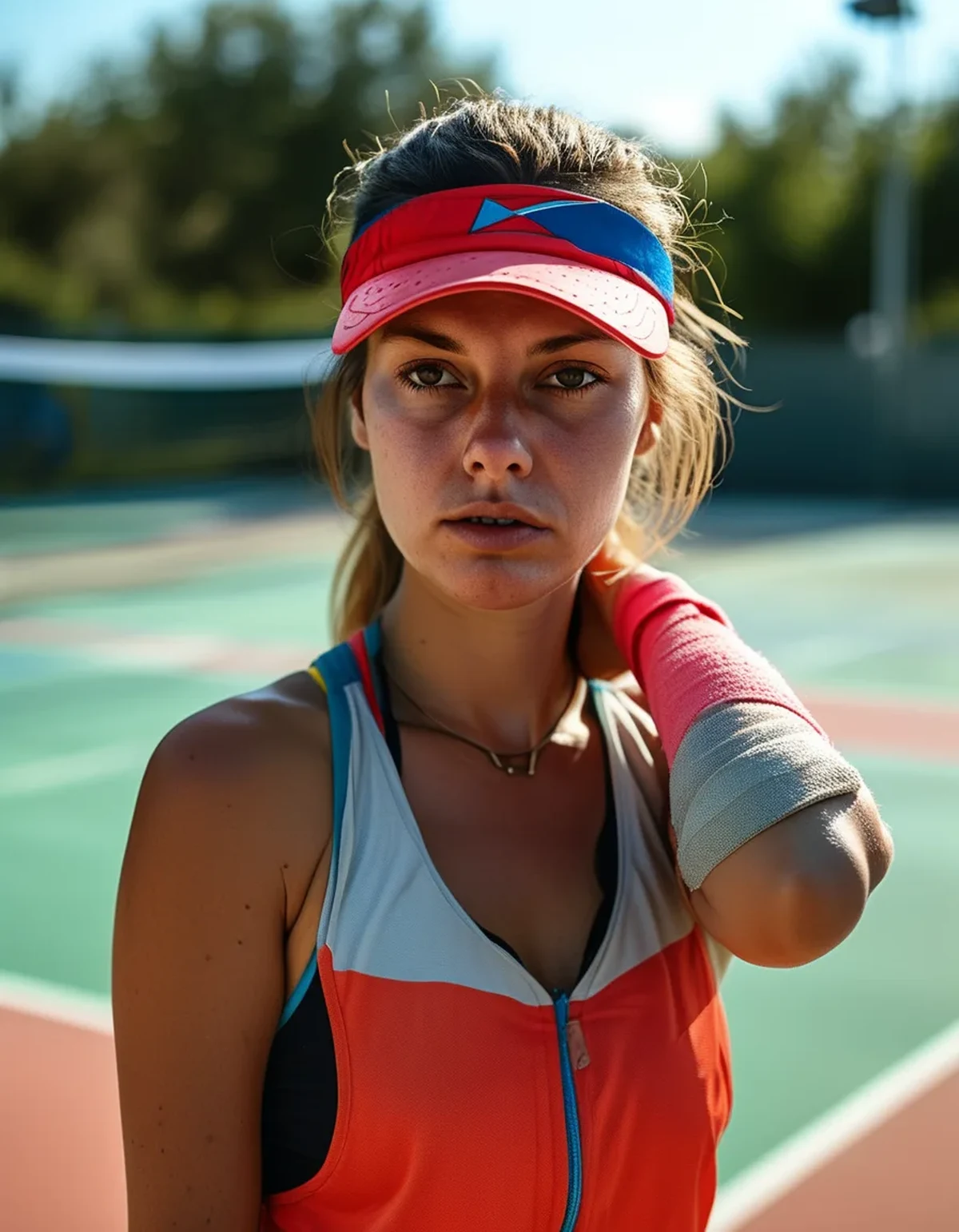
Does the newer, often older and less-conditioned pickleball player population change the picture?
Pickleball has attracted a notably large population of players newer to racket sports generally, including many older adults picking up a fast-paced sport for the first time without a base of forearm conditioning that longtime tennis players may have built up over years, and this combination of new movement patterns, potentially higher session frequency due to pickleball’s social and accessible nature, and sometimes limited technique instruction upfront likely contributes to the anecdotally high rate of elbow complaints reported among newer pickleball players specifically, separate from the sport’s inherent mechanics alone.
Does treatment differ at all between tennis elbow and pickleball elbow?
No — because it’s the same underlying tissue injury, standard treatment (rest from the aggravating activity, ice, anti-inflammatory approaches under medical guidance, eccentric strengthening exercises, and gradually addressing any technique issues) applies identically regardless of which sport caused it. The main practical difference in management is prevention-focused: pickleball players benefit specifically from paddle weight selection, wrist-snap technique review, and managing session volume, while tennis players benefit more from backhand technique and full-body mechanics review, since the contributing movement patterns differ even though the resulting injury and its treatment don’t.
What Nobody Tells You About the ‘Pickleball Elbow’ Label
Nobody tells you that giving an old injury a sport-specific new name, while understandable for marketing and searchability reasons in a rapidly growing sport, can sometimes make new players think they’re dealing with something novel or poorly understood, when in fact decades of tennis elbow research and treatment protocols apply directly — there’s no need to wait for pickleball-specific research to catch up before getting standard, well-established lateral epicondylitis treatment.
FAQ: Tennis Elbow vs Pickleball Elbow, Answered
Can someone get pickleball elbow even with a light, low-vibration paddle?
Yes, paddle choice reduces risk but doesn’t eliminate it entirely, since repetition volume and technique remain significant contributing factors regardless of equipment.
How long does typical recovery take for either version of this injury?
Mild cases often improve within a few weeks of rest and appropriate exercises, while more established cases can take several months, and a physical therapist experienced with racket sport injuries can help tailor a recovery timeline to the specific case.
Is it safe to switch between tennis and pickleball while recovering from either version of this injury?
Generally it’s advisable to avoid both activities that load the same tendons during active recovery, then reintroduce gradually with professional guidance, since alternating between the two doesn’t meaningfully rest the affected tendons if both involve similar wrist-extension loading patterns.
TL;DR:
- Tennis elbow and pickleball elbow are medically the same diagnosis: lateral epicondylitis
- The two sports reach the injury through somewhat different mechanisms — high force versus high repetition
- Solid pickleball paddles and higher rally repetition may contribute to its own risk pattern
- A newer, less-conditioned pickleball player population likely adds to reported case frequency
- Treatment is identical for both, since the underlying tissue injury doesn’t differ between sports
The rebranded name reflects a newer sport’s popularity, not a genuinely new injury — established tennis elbow treatment and prevention knowledge applies directly to pickleball players dealing with the same ache.
See It in Motion
Seen here: UPF 50+ Pleated Running Skort with 26” Leggings & Pockets — shop similar styles on bubblelime.com
Keep Reading
This article is for general informational purposes only and is not medical advice. It is not a substitute for professional diagnosis or treatment. Always consult a qualified healthcare provider about your individual situation, especially before making significant changes to your diet or exercise routine.