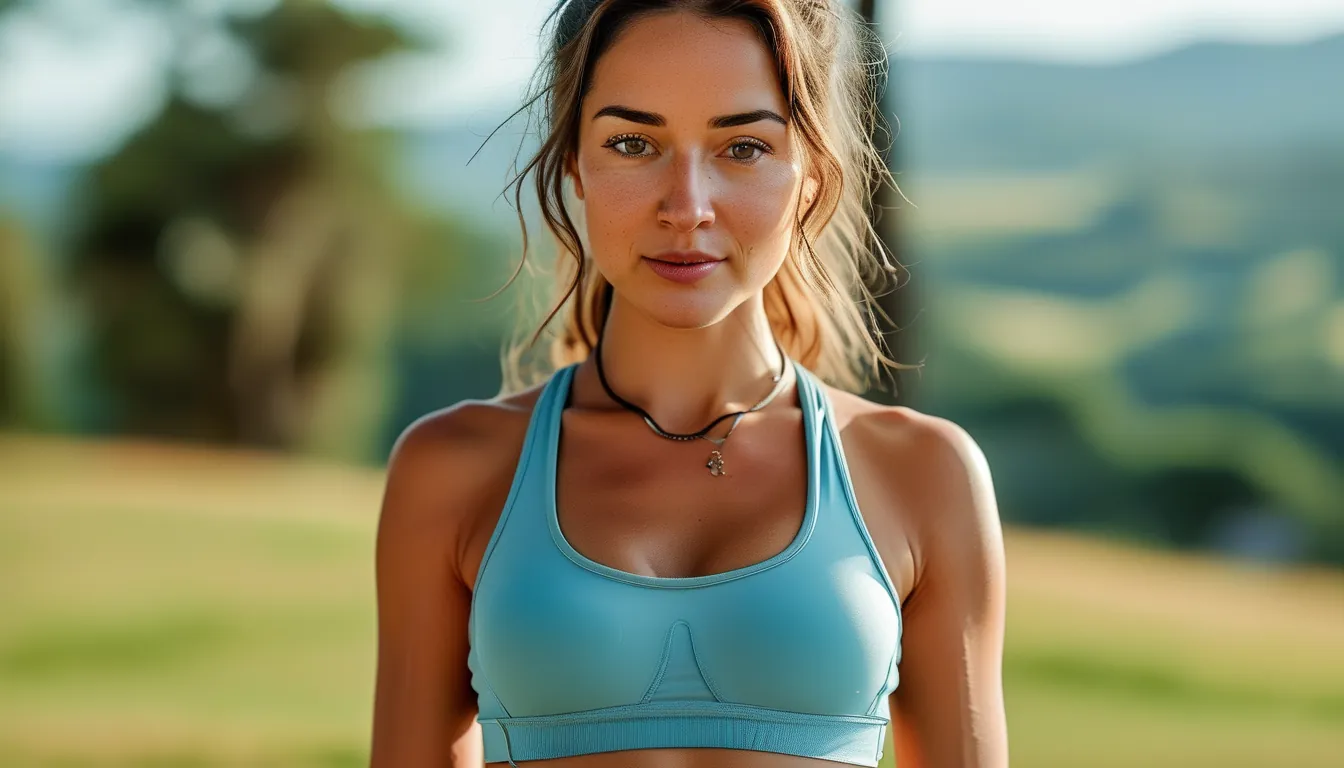
Tennis Fashion: Performance Meets Style
Quick Answer: Great tennis fashion balances performance and style by combining flattering, movement-friendly silhouettes with court-specific footwear for lateral support and accessories like hats, visors, and sweatbands for sun and sweat protection. It’s evolved well past plain white polos into genuinely stylish, functional gear.
Your serve toss is fine. Your backhand needs work, honestly. But what you’re wearing while you work on both has quietly become part of the game itself.
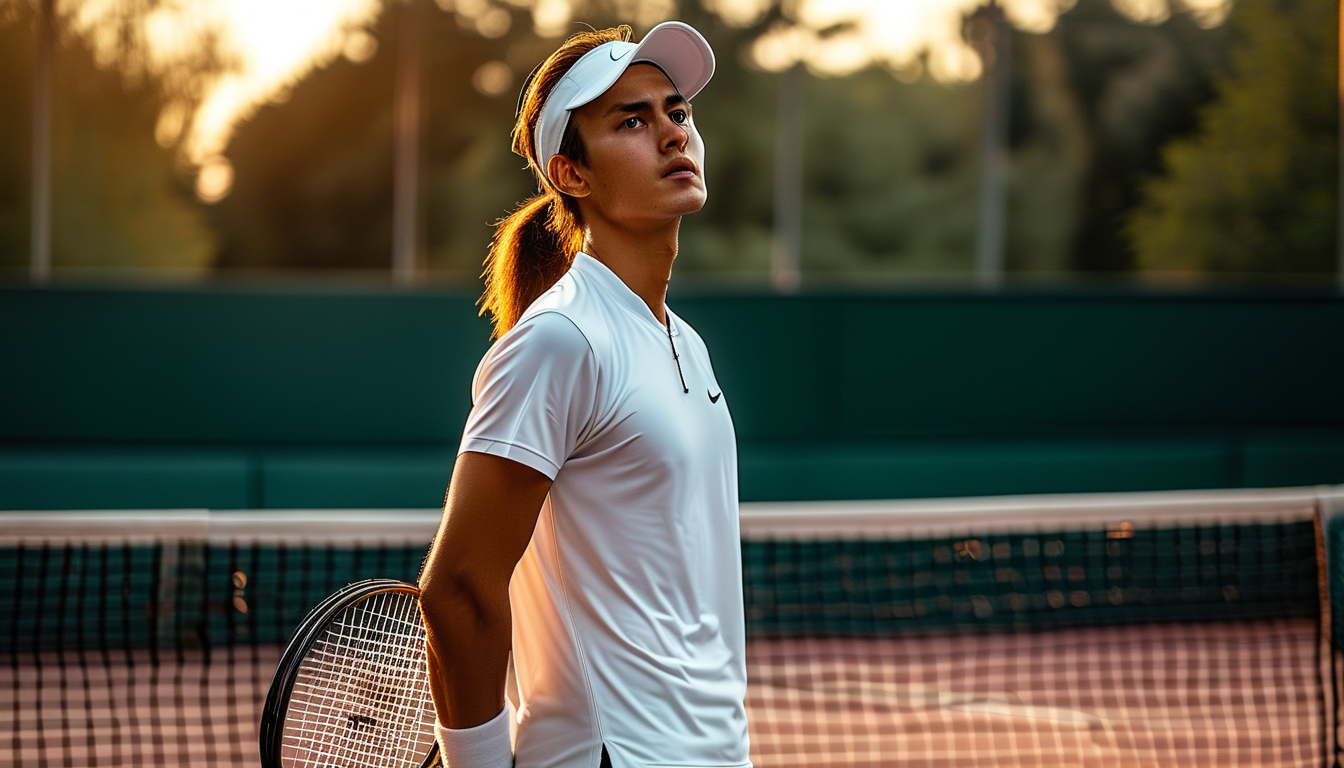
What actually makes an outfit “tennis fashion” instead of just gym clothes?
The line comes down to purpose-built design. Tennis fashion has evolved dramatically from the plain whites of decades past into performance-focused yet genuinely stylish options that look intentional both on and off the court. The best tennis pieces are designed around the specific movements of the sport — lunging, twisting, sprinting — not just borrowed from general gym wear.
That distinction matters more than it sounds. A pair of leggings built for a treadmill can bind or ride up during a hard lateral lunge in a way court-specific gear is engineered to avoid entirely.
What should you look for in tennis apparel?
Modern tennis wear offers flattering silhouettes designed for movement, which really means two things working together: cut and fabric. Look for pieces with built-in stretch and a cut that moves with your body rather than fighting it during a full swing or a deep split step.
A few practical things worth checking before you buy:
- Breathable, moisture-wicking fabric to handle a two-hour match in the heat
- Built-in shorts or supportive layers under skirts and dresses for unrestricted movement
- A hem length and fit that won’t ride up mid-lunge
- Pockets for tucking an extra ball during play
Why does footwear matter so much on a tennis court?
More than almost any other piece of the outfit, honestly. Court-specific shoes provide lateral support and durability that regular running shoes simply aren’t built for, since tennis involves constant side-to-side cutting that running shoes are designed to minimize, not support.
Wearing the wrong shoe type on court is one of the more common ways players end up with ankle or knee strain, since running shoes tend to grip too much during lateral movement instead of allowing the controlled slide tennis shoes are built for. If you’re serious about the sport, getting properly fitted for court shoes — ideally by someone who knows the surface you play on most — is worth the extra effort.
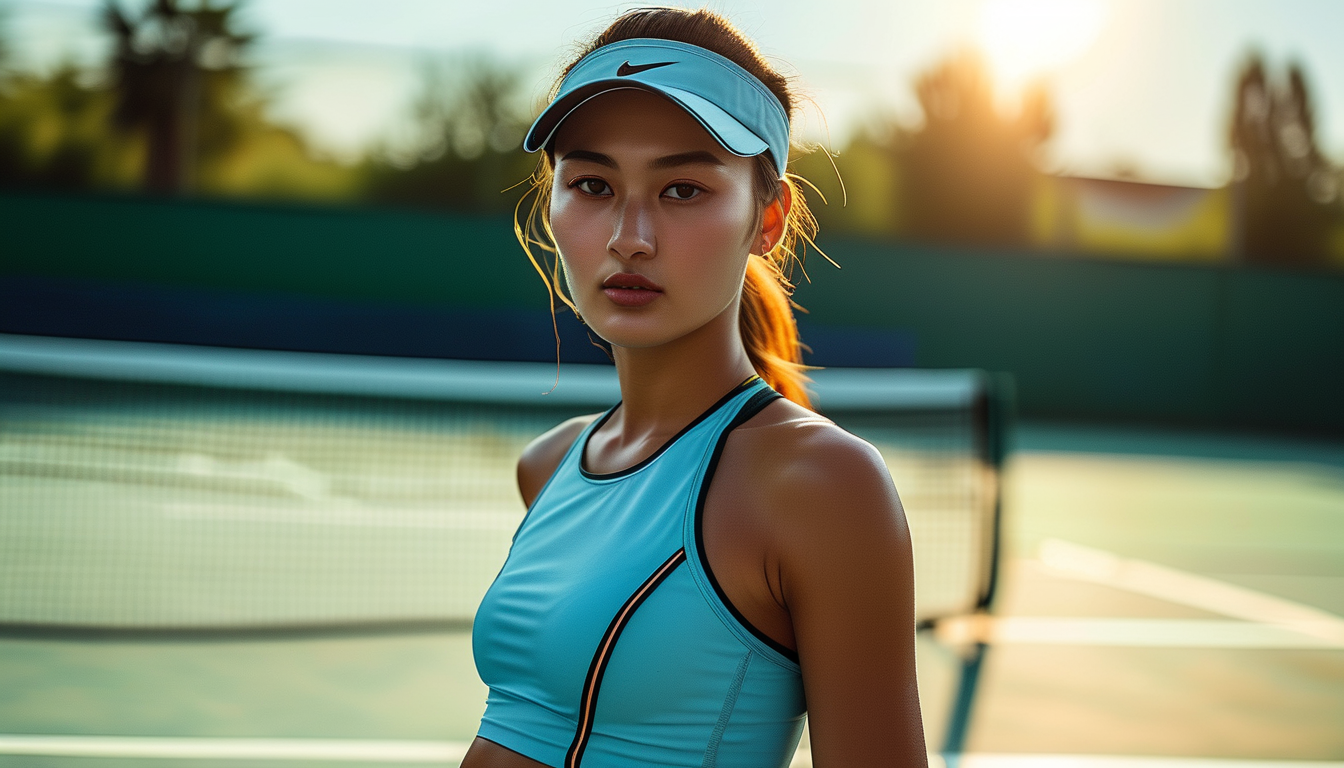
What accessories are actually worth wearing?
Hats, visors, and sweatbands keep you protected while looking great, and they’re not just style add-ons — each one solves a real problem on court. A hat or visor cuts glare and sun exposure during long rallies, while sweatbands keep sweat from dripping into your eyes at exactly the wrong moment.
Beyond those staples, a few more accessories genuinely earn their spot in a tennis bag:
- Sunglasses with polarized lenses for tracking the ball against bright skies
- A supportive sports bra built for lateral movement, not just vertical bounce
- Compression sleeves or socks if you deal with swelling or fatigue during longer matches
How do you dress for tennis without looking like you’re just working out?
This is where style choices come in. Pairing a well-cut skirt or dress with a clean, simple top tends to read as intentional in a way a mismatched gym outfit doesn’t. Sticking to one or two coordinated colors across your top, bottom, and accessories is a simple trick that makes almost any combination look pulled-together.
Looking good on the court doesn’t mean sacrificing performance — the two have never really been in conflict, just occasionally marketed that way.
See It in Motion
Seen here: UPF 50+ Pleated Running Skort with 26” Leggings & Pockets — shop similar styles on bubblelime.com
5 Mistakes Everyone Makes With Tennis Outfits
- Wearing running shoes instead of court shoes. Lateral support isn’t optional on a tennis court — it’s the difference between a stable cut and a rolled ankle.
- Choosing fabric for looks over function. A cute top that doesn’t wick moisture becomes a soggy, heavy problem by set two.
- Skipping sun protection accessories. A visor or hat is a small addition that prevents a genuinely miserable afternoon of glare and sunburn.
- Buying a size down “for a better look.” Restrictive fit limits your range of motion exactly when you need a full split-step lunge.
- Ignoring pockets entirely. Juggling a ball in your waistband mid-serve is a small annoyance that a well-designed pocket solves instantly.
FAQ: Tennis Fashion
Do you need special shoes for tennis, or will running shoes work?
Court-specific shoes are strongly recommended because they’re built for the lateral cutting motion tennis requires, unlike running shoes designed mainly for forward motion. Wearing the wrong shoe type increases your risk of ankle strain during quick direction changes.
What fabric is best for tennis outfits?
Moisture-wicking, breathable synthetic blends are the standard for tennis apparel because they handle sweat and heat during long matches far better than cotton. Many pieces also include a small amount of stretch fiber for freedom of movement.
Can you wear regular leggings for tennis instead of a skirt or dress?
Absolutely — leggings or shorts are completely acceptable and often more practical, especially in cooler weather or for players who prioritize coverage and support. Tennis fashion today is far more flexible than the traditional all-white, skirt-only dress codes of the past.
TL;DR:
- Tennis fashion blends performance fabric and cut with genuine style — it’s not an either-or choice anymore.
- Look for breathable, moisture-wicking apparel with a fit that supports full-range movement.
- Court-specific shoes with lateral support matter more than almost any other piece of the outfit.
- Accessories like hats, visors, and sweatbands solve real on-court problems, not just style ones.
- Coordinating one or two colors across your outfit is the easiest way to look pulled-together on court.
Keep Reading
This article is for general informational purposes only and is not medical advice. It is not a substitute for professional diagnosis or treatment. Always consult a qualified healthcare provider about your individual situation, especially before making significant changes to your diet or exercise routine.